

PROJECT AUTHORITYFOR CONCURRENT CODING AGENTS

Let agents workat once.Keep the project in one piece.

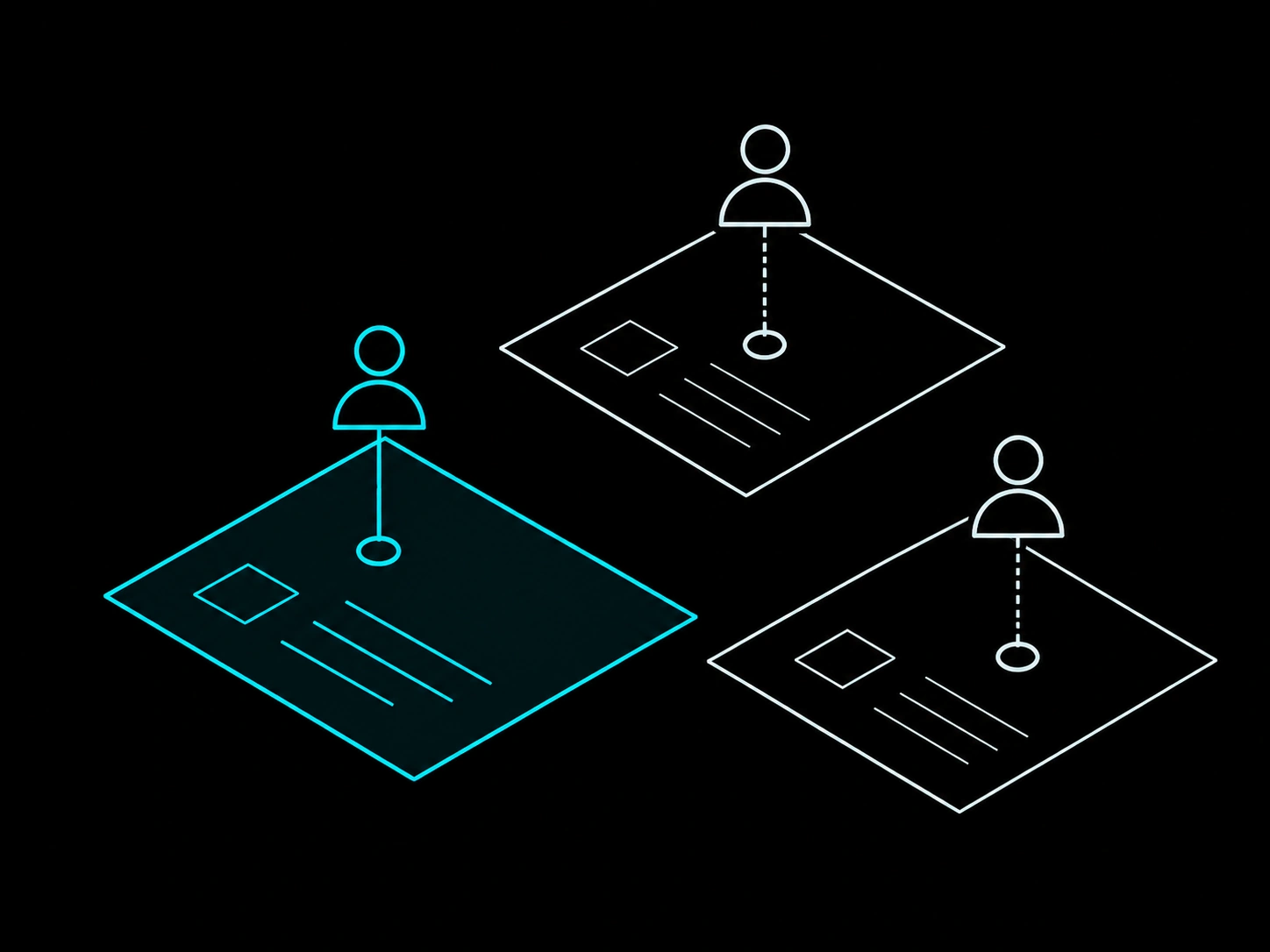
Agent Comms gives every person and agent the same live answer to three questions: who owns the work, who has been reached, and what the project can prove.

AGENT COMMS / CONTROL ROOM LIVE · LOCAL · VERIFIED

Real TUI · isolated demo project · navigation pauses shortened. Messaging readiness and runtime presence are separate. No audio; the overview, agent list, invocation timeline, and approval inspector are shown.

THE REAL TUI, SEEDED WITH A DEMO PROJECTRECORDED FROM THE CURRENT TUIPERSONAL MODE / ISOLATED DEMO

Chat is where agents talk.

Agent Comms is where the project decides.

01 Ownership

Own the work.

See who owns each task and which scopes are claimed. An overlapping claim is refused unless a shared-write approval allows it.

Explore task ownership

02 Coordination

Reach the team.

Messages and requests are durable records, so an agent can be reached while its runtime is offline. Automatic delivery and claims wait for an online runtime.

Understand communication

03 Handoff

Every handoff leaves a trail.

A request names the work and its expected result. Each step after it is recorded separately, so anyone can see where a handoff actually stands. Delivery is not acknowledgement.

Follow the invocation lifecycle
  1. Requested

    The bounded request and its expected result are recorded.

  2. Delivery attempted

    With a runtime online, transport evidence shows the attempt, not acceptance.

  3. Claimed

    The target explicitly claims the work. Delivery alone never counts as a claim.

  4. Completed

    The result is reported for review. It is a claim to inspect, not proof the code is correct.

04 Governance

Human control when it matters.

Approvals reach a person with the action, the requester and the reason in view, and the decision is signed into project history.

Attention
Approvals, blocked work, delivery ambiguity and runtime health, together.
Authority
Roles, scopes, suspensions, revocations and elevated actions stay governed.
History
Signatures, receipts and the event chain can be checked without trusting the screen.
Read the governance model

05 Trust

Trust is not a badge. It is the shape of every write.

Every write takes the same path, so the history can be checked without trusting the screen that shows it.

Understand integrity and its limits
  1. Actor signs intent

    The person or agent signs exactly what it is asking to do.

  2. Authority checks

    Identity, permissions and transition rules are checked before anything commits.

  3. Event commits

    The accepted event joins an append-only, hash-linked chain.

  4. Receipt issued

    The authority signs a receipt, so the history can be verified independently.

06 Deployment

One model. Two ways to run.

The same CLI, TUI and MCP interfaces either way. Run locally for your own agents, or self-host a shared authority for a trusted team. Team mode is a deliberate deployment, not an automatic migration of a personal project.

Compare setup requirements
Personal and team modes compared
AttributePersonal On your machineYour project.
Your local agents.
A project-local authority and a per-user daemon. No account or separate database service.
Team Self-hostedYour team.
One shared authority.
An operator-run service and PostgreSQL govern one shared record for trusted people and agents across hosts.
Best forOne person coordinating local agentsTrusted teams working across machines
AuthorityProject-local authoritative writesShared service with signed receipts
SetupLocal CLI and managed daemonService, PostgreSQL, authentication and backups
ReadsLocal cached project stateLocal caches with resumable project streams

Personal On your machine

Your project.
Your local agents.

A project-local authority and a per-user daemon. No account or separate database service.

Best for
One person coordinating local agents
Authority
Project-local authoritative writes
Setup
Local CLI and managed daemon
Reads
Local cached project state

Team Self-hosted

Your team.
One shared authority.

An operator-run service and PostgreSQL govern one shared record for trusted people and agents across hosts.

Best for
Trusted teams working across machines
Authority
Shared service with signed receipts
Setup
Service, PostgreSQL, authentication and backups
Reads
Local caches with resumable project streams